
Secure Your Financial Future!

Subscribe to Senior Investment Guide for clear, practical insights on retirement planning and wealth management.

Seniors' Investment Options in Volatile Markets


Seniors' Investment Options in Volatile Markets

Posted on: 2026-03-19
By: Evelyn Stratton


As market volatility increases, many seniors find themselves anxious about their financial futures. This guide offers insights into making informed investment decisions that prioritize security and stability during uncertain times.

What You Will Learn

  • Understanding market volatility and its effects on retirement savings.
  • The importance of low-risk investments for financial security.
  • Strategies for personalized risk assessment to align investments with individual goals.
  • Combining low-risk and moderate growth strategies for a balanced portfolio.

Navigating Senior Investments: Low-Risk Strategies & Personalization

This visual outlines key practices and investment types crucial for seniors in volatile markets, emphasizing low-risk strategies and personalized financial planning.

What Market Volatility Means for Seniors

  • Increased uncertainty about retirement funds
  • Potential impact on income-generating investments
  • Need for reassessing investment strategies

Why Low-Risk Investments Matter

  • Lower volatility compared to stocks
  • Preservation of capital, crucial for retirement
  • Steady income streams to cover living expenses

Blending Growth with Low-Risk

  • Fixed deposits and CDs for stable returns
  • Treasury Inflation-Protected Securities (TIPS)
  • Dividend-paying stocks for potential income
  • Well-managed mutual funds for diversification

The Importance of a Personalized Risk Assessment

  • What are my retirement income needs?
  • How much market volatility can I handle?
  • What investments align with my values and goals?

Understanding your capacity for risk guides informed decisions.

Understanding Investment Opportunities for Seniors Amid Market Volatility

As we navigate through these unpredictable economic times, understanding investment opportunities can feel daunting, especially for seniors. Many in the 55 and older age group worry about how market volatility impacts their retirement savings and investment choices. This section aims to shed light on what a volatile market means for seniors and why prioritizing low-risk investments is essential during these uncertain times.

What Does a Volatile Market Mean for Seniors?

A volatile market can be characterized by rapid price fluctuations in stocks, bonds, and other investments. For seniors, this often translates to heightened anxiety about their financial security. Have you ever felt a pit in your stomach watching market swings? You're not alone! It's crucial for seniors to acknowledge that this volatility is part of the investing landscape and that strategic planning can help mitigate risks.

  • Increased uncertainty about retirement funds
  • Potential impact on income-generating investments
  • Need for reassessing investment strategies

By understanding these factors, seniors can make more informed choices to protect their hard-earned savings. Remember, knowledge is power!

Why Low-Risk Investments Matter in Uncertain Times

With the stock market's unpredictability, many seniors are turning to low-risk investments to secure their financial future. These options can provide a sense of stability and peace of mind. But what exactly makes them essential during uncertain times? Let's explore!

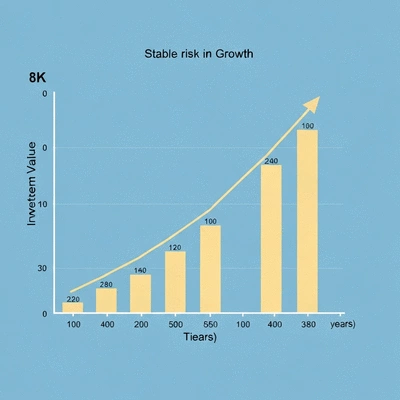
Chart showing stable low-risk investment growth for seniors
  • Lower volatility compared to stocks
  • Preservation of capital, crucial for retirement
  • Steady income streams to cover living expenses

In these unpredictable times, having a solid foundation of low-risk investments can help you confidently navigate your financial journey. At Senior Investment Guide, we're dedicated to empowering you with the knowledge you need to make informed decisions, allowing your investments to work for you — even when the market is unpredictable!

Low-Risk Investment Strategies Tailored for Seniors

Now that we understand the importance of low-risk investments, let's delve into specific strategies that can provide a safety net for your retirement portfolio. Each of these options is tailored to help seniors achieve financial peace of mind while minimizing risk.

Pro Tip

When considering low-risk investments, don't overlook the power of diversification. By spreading your investments across different asset classes such as fixed deposits, bonds, and dividend-paying stocks, you can reduce overall risk while still positioning yourself for potential growth. Remember, it's all about balancing safety with opportunity!

Summarizing Key Practices for Senior Investors

As we navigate through the shifting landscape of investments, it's crucial for seniors to adopt practices that align with their unique financial goals. I believe that personalization in investment strategies is key to ensuring that your portfolio can withstand market fluctuations while still aiming for growth. Here are some key practices that I often share with my clients at Senior Investment Guide.

The Importance of a Personalized Risk Assessment

Each individual's financial situation is different, which is why a personalized risk assessment is essential. This process involves evaluating your financial goals, current assets, and risk tolerance. It's about asking yourself questions like:

  • What are my retirement income needs?
  • How much market volatility can I handle without losing sleep?
  • What investments align with my values and goals?

By answering these questions, you can create a tailored strategy that reflects your personal comfort level with risk. Remember, it's not one-size-fits-all! Understanding your own capacity for risk will guide you in making educated investment decisions.

Blending Low-Risk with Moderate Growth Strategies

Finding the right balance between low-risk investments and moderate growth opportunities can be a game changer. I often recommend seniors consider a mix of the following:

Senior couple reviewing financial documents at home
  • Fixed deposits and CDs for stable returns
  • Treasury Inflation-Protected Securities (TIPS) to guard against inflation
  • Dividend-paying stocks for potential income growth
  • Well-managed mutual funds for diversification

This approach allows you to enjoy the security of low-risk investments while still having the potential for growth that can outpace inflation. It’s about finding what works best for you, so you can feel confident and secure in your financial future!

Frequently Asked Questions (FAQs)

What does market volatility mean for seniors' investments?
Market volatility refers to rapid price fluctuations in investments, which can increase uncertainty about retirement funds, impact income-generating investments, and necessitate reassessing investment strategies for seniors.
Why are low-risk investments important for seniors, especially during uncertain times?
Low-risk investments are crucial for seniors because they generally have lower volatility compared to stocks, help preserve capital (which is vital for retirement), and can provide steady income streams to cover living expenses, offering financial stability and peace of mind.
How can seniors assess their personal risk tolerance for investments?
Seniors can assess their personal risk tolerance by evaluating their financial goals, current assets, and asking themselves key questions such as: "What are my retirement income needs?", "How much market volatility can I handle?", and "What investments align with my values and goals?". This helps in creating a tailored investment strategy.
What are some examples of low-risk investments and moderate growth strategies for seniors?
Examples of low-risk investments include fixed deposits and Certificates of Deposit (CDs) for stable returns, and Treasury Inflation-Protected Securities (TIPS) for protection against inflation. Moderate growth strategies can include dividend-paying stocks for potential income growth and well-managed mutual funds for diversification.
Should seniors consult a financial advisor?
Yes, consulting a financial advisor is highly recommended for seniors. A knowledgeable professional can help tailor investment choices to specific needs and goals, navigate complex financial concepts, and identify strategies that best suit individual circumstances.

Call to Action: Considerations for Your Investment Journey

As we wrap up our discussion on investment strategies for seniors, I encourage you to take the next steps towards enhancing your financial literacy. Understanding your options is the first step in creating an effective investment strategy!

Consulting a Financial Advisor: Tailoring Choices to Your Needs

Have you considered consulting a financial advisor? At Senior Investment Guide, we believe that working with a knowledgeable professional can help you tailor your investment choices to your specific needs and goals. A good advisor will help you navigate complex concepts and identify the strategies that best suit your circumstances.

Stay Informed: Keeping Up with Market Trends and Volatility

Finally, staying informed about market trends and volatility is vital for any investor, especially seniors. I recommend regularly checking financial news sources, attending webinars, or reading insightful articles. Knowledge is power, and the more you understand what’s happening in the market, the better equipped you will be to make informed decisions.

Recap of Key Points

Here is a quick recap of the important points discussed in the article:
  • A volatile market can increase anxiety for seniors regarding their financial security and retirement funds.
  • Prioritizing low-risk investments is essential to preserve capital and provide steady income streams during uncertain times.
  • Conducting a personalized risk assessment helps tailor investment strategies to individual financial goals and comfort levels with market fluctuations.
  • Blending low-risk investments with moderate growth strategies can enhance financial security while aiming for potential growth.
  • Staying informed about market trends and consulting a financial advisor can empower seniors to make educated investment decisions.

Subscribe & Share
Tax-Efficient Investing Tips for Seniors Tax-Efficient Investing Tips for Seniors Many seniors face the challenge of making their investments last through retirement. Understanding t
Insurance Strategies for Retirement Savings Insurance Strategies for Retirement Savings What if I told you that inflation could significantly erode your retirement savings over time? Under
Medicare and Social Security Insights Medicare and Social Security Insights As you navigate the complexities of retirement planning, consider this: understanding the fundamenta
Banner
Senior Investment Guide

Your go-to resource for empowering adults aged 55+ with clear and practical investment insights. We help seniors and near-retirees with accessible, straightforward financial education and practical guidance.

Trusted by retirees and pre-retirees nationwide, our mission is to provide reliable, easy-to-follow insights backed by decades of finance expertise.

Learn More
Recent Posts
Tax-Efficient Investing Tips for Seniors Tax-Efficient Investing Tips for Seniors

Many seniors face the challenge of making their in

Insurance Strategies for Retirement Savings Insurance Strategies for Retirement Savings

What if I told you that inflation could significan

Medicare and Social Security Insights Medicare and Social Security Insights

As you navigate the complexities of retirement pla

Your Retirement Investment Guide